
The Process of Getting Teeth Aligners and What to Expect
 Medically Reviewed by Whistle Dental Team
Teeth aligners are orthodontic devices used to straighten teeth and optimise your teeth's health. They exert gentle pressure on the teeth to move them into the desired position. Aligners are typically worn for 20-22 hours a day for several weeks or months and are replaceable with a new set of teeth aligners as the teeth move into the desired position. Patients with teeth misalignment issues like a deep bite, gaps, overlap, and crossbite can get the invisible aligners treatment. They are easy and convenient to use and result in good smiles.
Who Is a Good Candidate for Teeth Aligners?
- Mildly to moderately crowded teeth
- Gaps between teeth
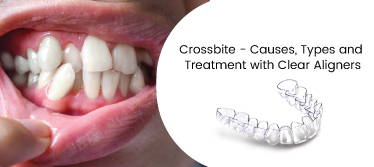
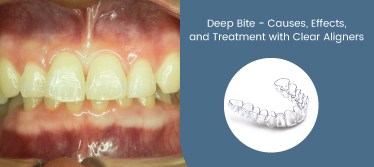
- Overbite, underbite, or crossbite (mild to moderate)
- Teeth that have shifted after previous orthodontic treatment
The Complete Process of Getting Teeth Aligners
The process of getting invisible aligners may vary for every patient, but here’s a general idea of how the process usually goes down:
1. Consultation with an orthodontist - During the initial consultation, the orthodontist will examine your teeth's alignment. Based on the information gathered during the consultation, the orthodontist will initiate the process of creating custom invisible aligners that will fit your teeth to begin your treatment. If you have any queries regarding the treatment, it is important to ask the orthodontist and have a clear mind and correct expectations before getting into the treatment.
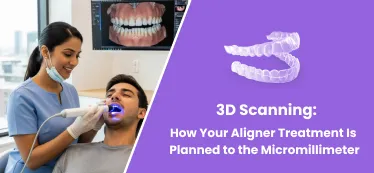
2. Treatment Plan - The teeth alignment treatment plan begins with 3D scanning and photographs of the teeth. Scanning light is LED, not X-ray, just like a high-end digital camera, which takes 1000s of images from all sides and ties them together. Scans are used by orthodontists to create a digital replica of teeth, known as orthodontic study models. All this information about your teeth is gathered, and a 3D structure of your teeth is prepared. These are then used to design the final position of each that needs movement.
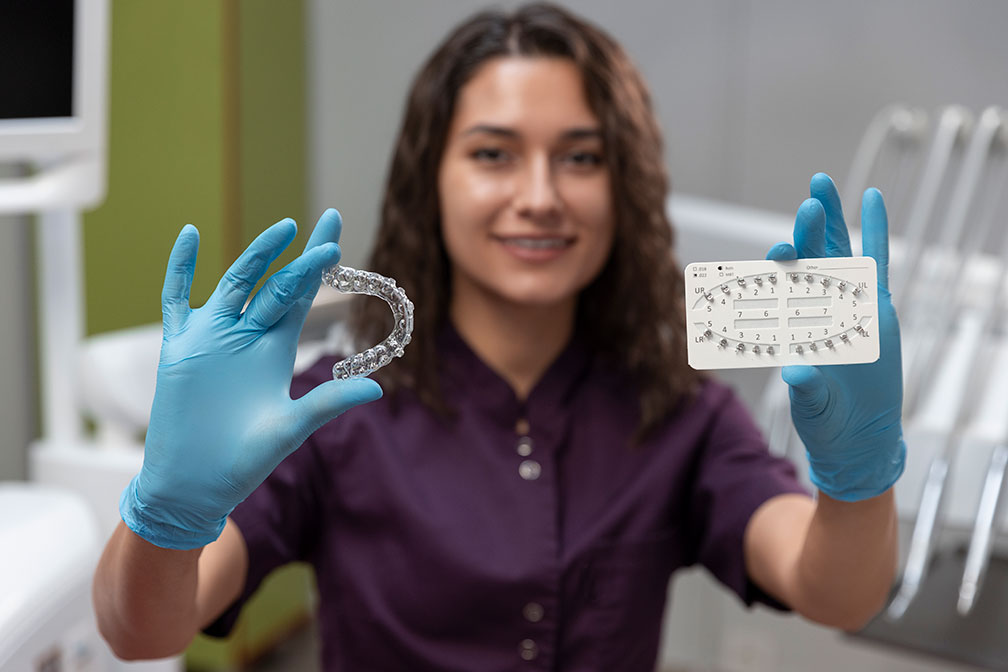
3. Moulding of Teeth - The prepared digital model is then set for 3D printing. The teeth moulding procedure is typically performed for making customized orthodontic appliances. This is important for maintaining a proper fit of the aligner and enhancing the optimal movement of the teeth during the alignment process.
4. Tray Fitting Day - Once your aligner tray is ready, you can wear it on your teeth. An orthodontist will check the positioning and fitting of the first set of teeth aligners over the teeth. They will make any necessary adjustments to ensure a snug and comfortable fit. If required, the orthodontist may trim the teeth aligners to improve the fit. It ensures that you don't have any discomfort, bite issues, or undue pressure. The dentist or orthodontist will give you invisible aligner care tips. It includes when to replace them with the next set, how to monitor progress, and what to do if you find fitting issues with your aligners.
5. Wear and care of teeth aligners - You need to wear teeth aligners for 20-22 hours every day. You need to change the new set every 1-2 weeks. You should maintain cleanliness by brushing and rinsing them regularly with a soft-bristle toothbrush and denture solution or a home solution. Invisible aligners also maintain hygiene and prevent tooth decay and gum disease as it’s easy to remove to clean the teeth. For cleaning, simply take the tray out and brush your teeth normally. The most important is a regular checkup and following the orthodontist’s advice.
6. Monitoring process - You need to return within 4-6 weeks for a checkup and know your progress by making adjustments to your treatment plan. During these visits, the Orthodontist will check the fit of the invisible aligners, remove any premature contact points which may hinder teeth movement and correlate the progress with the digital plan made initially. The duration of treatment typically takes around 6-18 months depending upon your condition. You will notice a difference in the appearance of your teeth after a few weeks of treatment.
How Do Aligners Actually Move Your Teeth?
What to Expect in Your First Week
- Switch trays at night, so you sleep through the first few hours of pressure
- Use cold water to soothe any soreness after switching
- Keep your case with you at all times - so you never have to wrap an aligner in a napkin (the most common way aligners are lost)
- Set a phone reminder if you know you tend to leave them out too long after meals
How to Choose the Right Aligner Provider
- Is treatment supervised by an orthodontist, or just monitored remotely through an app?
- Do you take a 3D digital scan, or use traditional impressions?
- Are refinements included in the total cost?
- Are retainers included or charged separately?
- Can I see my outcome simulation before I start?
- What happens if my teeth aren't tracking as planned - how quickly can you intervene?
How Whistle Makes the Aligners Process Easier
- Free smile assessment - Understand your case, your options, and your expected outcome before you commit
- In-clinic 3D scanning - No messy impressions, high-precision digital models only
- Outcome preview included - See your projected result before aligners are made
- Orthodontist-supervised progress - Real check-ins, not just app uploads
- Refinements built in - No surprise costs if mid-treatment adjustments are needed
- Flexible payment options - Spread the cost across months
Conclusion
The process of getting teeth aligners is designed to be simple, precise, and convenient. From the initial consultation and digital scan to personalized treatment planning and wearing a series of custom-made aligners, each step is focused on gradually moving your teeth into their ideal position. Thanks to advancements in digital dentistry, patients can now enjoy a more comfortable and predictable teeth-straightening experience without the need for traditional metal braces.
If you're considering clear aligners, understanding the process of getting teeth aligners can help you feel more confident about starting your smile transformation journey. With the right treatment plan, consistent aligner wear, and regular progress monitoring, achieving a straighter, healthier smile is more accessible than ever. At Whistle, our expert-led approach and advanced digital technology ensure a seamless aligner experience from start to finish.
Also Read:
Book 3D Teeth Scan
Consult our experts and get a 3D preview of your smile transformation!
braces
aligners
invisible braces
FAQ's
Q1.How long does the teeth aligners process take from start to finish?
From your first consultation to your last aligner tray, the active treatment phase typically takes 6 to 18 months depending on case complexity. Adding the 3D scan and production time, you usually receive your first set of aligners 2–4 weeks after your consultation.
Q2.What are aligner attachments and do I need them?
Attachments are small, tooth-coloured buttons bonded to specific teeth. They help the aligner grip the tooth for more complex or precise movements. Not all cases require them - your orthodontist will tell you at your treatment planning stage.
Q3.What is the tooth alignment process after aligners - Do I need to wear a retainer forever?
You'll need to wear retainers consistently after treatment — full-time for a few months, then nightly long-term. Most people settle into a routine of nighttime retainer wear indefinitely. It becomes a habit quickly and is the only way to ensure your result is permanent.
Q4.Can teenagers get teeth aligners?
Yes. Clear aligners are suitable for most teenagers, though candidacy depends on the stage of dental development. Some aligner systems have teen-specific options that include compliance indicators and replacement trays for lost or broken sets.

 Medically Reviewed by Whistle Dental Team







 Medically Reviewed by Whistle Dental Team









 Medically Reviewed by Whistle Dental Team