
Do Aligners Work for Seniors Over 50?
 Medically Reviewed by Whistle Dental Team
It is a common belief that orthodontics belongs to the teenage years. Many still picture adolescents with metal braces, adjusting to speech changes and new cleaning routines. Yet in clinics today, an increasing share of orthodontic consultations come from people well past that stage of life, sometimes well into their sixties. What drives them? Often, it is a mix of function and aesthetics. Clear aligners are usually the first request. But do they actually work in patients over fifty, and if they do, what is different?
The Biology Does Not Retire
Teeth move because bone responds to gentle, sustained pressure. Aligners apply this pressure in a controlled manner, reshaping the small ligaments and bone that hold each tooth in place. This process is called bone remodeling, and it happens in cycles: bone is broken down on one side of the tooth, while new bone is laid down on the other.
With age, the cycle slows. It does not stop. The cells responsible for building and resorbing bone work less quickly, and bone density can change. A dentist sees this not as a barrier but as a signal to plan differently; forces are lighter, aligner changes may be slower, and expectations are adjusted.
What Matters Most Before Starting
No treatment begins without a full assessment. For seniors, there are a few extra questions to answer:
- Gum health first - Gum disease is more common in older adults. Active disease must be treated before any movement begins, because shifting teeth in an unstable environment risks further damage.
- Bone support - Even in the absence of disease, years of wear can lower bone levels. Movement is possible, but the plan must respect these limits.
- Bite complexity - Long-standing crossbites or deep bites can require additional methods beyond aligners alone.
The patient’s medical history also matters. Osteoporosis, diabetes, or medications that affect bone metabolism will influence how the case is approached.
Why Many Over 50 Prefer Aligners
The appeal is easy to understand. The trays are transparent, so there is no change to appearance in meetings or social settings. They can be removed for eating, cleaning, or important occasions. For someone already diligent about oral hygiene, this removability keeps gums and teeth in good condition during treatment. Comfort is another factor.
There are no wires to irritate cheeks, no bracket edges catching on the tongue. And with digital planning, the patient can see a projection of the expected result before treatment begins.
The Difficult Parts
That said, aligners in seniors are not without challenges. Movement will likely take longer. Some cases require attachments bonded to teeth to support certain movements, and older or heavily restored teeth need special care to keep these attachments in place. Most importantly, clear aligners only work when worn. Two to three hours a day without them may not seem much, but it can delay the plan by weeks.
This is where patient discipline becomes the deciding factor. Older patients often do better here than teenagers, but travel, work, or lifestyle habits can still interfere.
Also Read:-
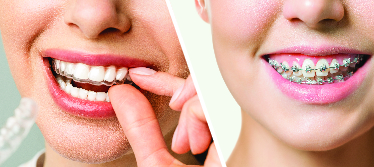
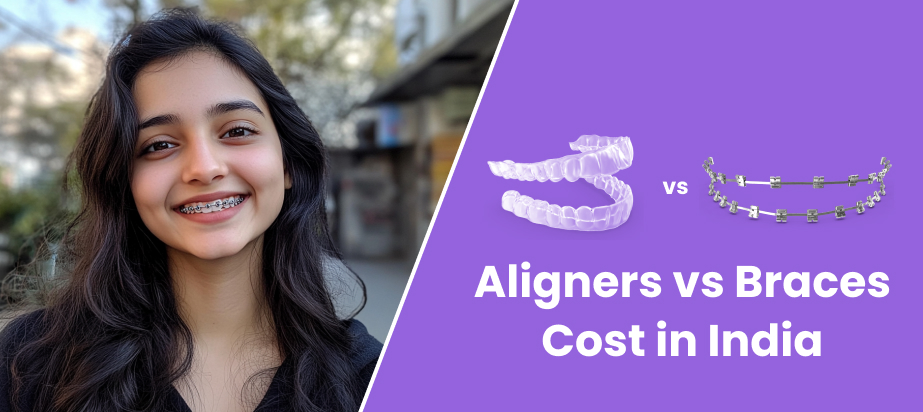
Aligners and Braces in Perspective
While aligners are the popular choice, traditional braces remain an option, and in some complex situations, they may be the better one.
| Consideration | Clear Aligners | Traditional Braces |
|---|---|---|
| Appearance | Almost invisible | Visible brackets and wires |
| Cleaning | Remove for hygiene | Clean around fixed components |
| Comfort | Smooth fit, minimal irritation | Possible rubbing or wire irritation |
| Treatment Pace in Older Adults | Often slower than in youth | Comparable, sometimes shorter |
| Complex Movements | Limited in severe cases | Greater flexibility |
| Patient Responsibility | Must be worn consistently | Fixed in place, less dependent on compliance |
Final Words
From a dental perspective, there is no fixed age limit for orthodontic treatment. The same biological processes that move teeth in teenagers can work in someone over fifty or even seventy, if the gums and bone are healthy. What changes with age is the planning: lighter forces, longer stages, and closer monitoring. Aligners are well-suited to this approach, but they are not right for every case.
When chosen carefully and worn as directed, they can produce results that improve function, protect dental health, and enhance appearance. For many, the outcome is more than cosmetic; it is the ability to maintain their teeth for life with greater ease and confidence.
Book your consultation with your orthodontist at your nearest Whistle Partner Clinic today!
Also Read:
Book 3D Teeth Scan
Consult our experts and get a 3D preview of your smile transformation!
Do Aligners Work for Seniors Over 50
aligners for seniors
FAQ's
Q1.Can people over 50 get clear aligners?
Yes, age alone is not a barrier to clear aligner treatment. As long as your gums and supporting bone are healthy, teeth can be moved safely with a customized treatment plan.
Q2.Do aligners take longer to work in seniors?
In many cases, yes. Bone remodeling tends to be slower with age, so treatment may progress more gradually than in younger patients.
Q3.Are clear aligners better than braces for adults over 50?
It depends on the complexity of the case. Clear aligners are ideal for mild to moderate alignment issues, while traditional braces may be recommended for severe bite problems or complex tooth movements.
Q4.How many hours a day should seniors wear clear aligners?
Most patients should wear their aligners for 20–22 hours per day, removing them only for eating, drinking anything other than water, and oral hygiene.

 Medically Reviewed by Whistle Dental Team


 Medically Reviewed by Whistle Dental Team









 Medically Reviewed by Whistle Dental Team