
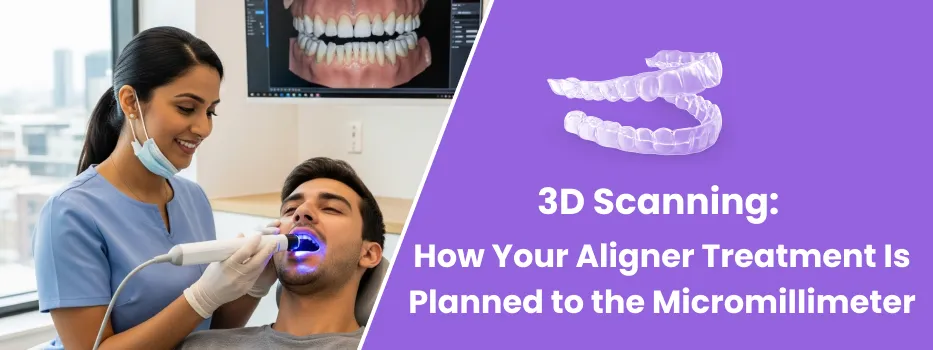
3D Scanning: How Your Aligner Treatment Is Planned to the Micromillimeter
 Medically Reviewed by Whistle Dental Team
Your Journey to a Perfect Smile Starts with Precision
Dreaming of a straighter smile with invisible aligners? What if we told you the secret to a truly comfortable and effective aligner journey lies in the millimeters. A technology so precise, it plans your treatment down to the tiniest detail?
Welcome to the world of 3D scanning, where your smile transformation is designed with micromillimeter-level accuracy. This isn’t just a cool tech upgrade—it’s a revolution in how orthodontic care is delivered. From the moment your scan begins, every decision is guided by detailed digital data to ensure your aligners are customized exactly to your teeth, movement goals, and comfort.
Let’s take a look at how this technology works and why it matters so much for your aligner experience.
Beyond Old-School Impressions: The 3D Scan Experience
Remember those uncomfortable, goopy dental impressions? They’re quickly becoming a thing of the past.
With 3D intraoral scanners the picture has changed quite literally. Your orthodontist can now take a quick and comfortable scan of your teeth. These small, handheld wands capture thousands of images in just a few minutes, creating a detailed digital model of your mouth.
- No radiation
- No gagging
- No mess
For complex cases, a CBCT scan might also be used. This gives your doctor a 3D view of your jawbones and roots for even deeper insight.
The result? A precise, digital copy of your mouth that becomes the foundation of your personalized aligner treatment plan.
How it works: The scanner captures your teeth and gums from multiple angles, creating a complete picture. This model is then used by your orthodontists to build your custom treatment plan.
This process not only makes the experience more pleasant, but also significantly more accurate than traditional methods. Digital files can be instantly shared with technicians, allowing for faster and better-designed aligners.
The Micromillimeter Magic: Why Every Tiny Detail Matters
We’re talking precision at the level of micromillimeters – that’s 1/1000th of a millimeter. As tiny as a speck of dust!
Why does this matter?
- Perfect Fit, Perfect Movement:
Your aligners are custom-made to fit your teeth snugly and comfortably, applying just the right amount of pressure.
- No Guesswork:
Your doctor plans every move based on an exact digital replica of your smile.
- Consistent Results:
With every tooth movement calculated and simulated, you can expect a predictable and efficient treatment.
This level of detail is made possible through advanced software, often called CAD/CAM (computer-aided design and manufacturing), which allows doctors to virtually plan each step of your journey.
Think of it like architectural software—but for your teeth. Every tooth rotation, tilt, and movement is pre-planned before treatment even begins.
In fact, this planning is so detailed that even small anatomical variations—like tooth shape, gum height, or bite pressure—are taken into account. That’s how modern aligner systems ensure both aesthetics and function.
Your Aligner Journey: Precision from Start to Finish
A. The Initial Blueprint
Your 3D scan becomes the ultimate map of your current dental condition. Your doctor pinpoints which teeth need to move, and how.
This diagnostic phase also includes bite analysis, which allows your provider to plan corrections for underbite, overbite, crossbite, or crowding right from the start.
B. The Virtual Transformation
You get to see your smile transformation before you even start! Using your 3D model, your doctor simulates each stage of movement so you know what to expect.
This smile preview is both exciting and reassuring—it gives you a clear visual of the end result.
You’re also more involved in the process. You can ask questions, request tweaks, or even get a second opinion—all before your first aligner is made.
C. Custom Aligner Creation
Every aligner in your treatment series is crafted based on this virtual plan. Because of the micromillimeter-level precision, they fit perfectly and work efficiently.
Each aligner is designed to make slight movements. Worn in sequence, they gently guide your teeth into perfect alignment.
Advanced materials used in these aligners—like multi-layered polyurethane—help maintain consistent pressure without warping or losing shape.
D. Monitoring Your Progress
As you move through treatment, new scans can track progress with incredible detail. If any minor tweaks are needed, they’re made quickly to keep everything on track.
Some aligner systems even let your doctor track your progress remotely, so your plan stays efficient and personalized.
This flexibility is great for busy patients or those who travel often. Your doctor can remotely request new aligners or minor refinements without requiring a clinic visit.
Why This Matters for YOU
Here’s what all this high-tech precision means for your smile:
- Unmatched Accuracy & Predictability: Fewer surprises, more confidence.
- A More Comfortable Experience: No goopy impressions and no loose-fitting trays.
- See Your Future Smile: Virtual previews build trust and excitement.
- Efficient & Faster Treatment: Optimized plans can reduce treatment time.
- Care from Experts Who Invest in You: Doctors using 3D scanning are committed to getting the best results with the best tools.
It also means fewer appointments and less time in the chair—because everything is mapped out ahead of time.
And because your aligners are digitally tracked, you’re more likely to finish treatment on schedule. That’s a win for both your smile and your schedule.
Also Read:
The Future of Your Smile Is Here
3D scanning is only getting better. As technology evolves, your aligner journey will continue to become more personalized, precise, and seamless.
Expect shorter treatment times, even better aligner materials, and more advanced tracking tools as the tech improves.
Some aligner systems are even integrating AI into planning, using huge datasets to improve outcomes and suggest more efficient movements.
Choosing a provider who’s already using the latest tools ensures your smile benefits from every possible innovation.
Also Read:
Choose a Doctor Who Prioritizes Precision
3D scanning is transforming the world of aligners. When your treatment is planned to the micromillimeter, everything works better:
- Your aligners fit like a glove
- Your smile improves step by step
- Your doctor has a clear plan every time
You’re not just getting straighter teeth—you’re getting a customized experience, powered by advanced digital tools.
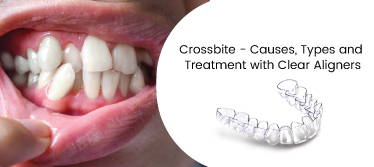
- Crossbite - Causes, Types and Treatment with Clear Aligners
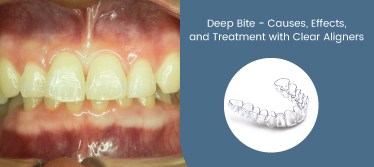
- Deep Bite - Causes, Effects, and Treatment with Clear Aligners
- The Process of Getting Teeth Aligners and What to Expect
- Invisible Aligners vs Traditional Braces: Cost Comparison India

 Medically Reviewed by Whistle Dental Team


 Medically Reviewed by Whistle Dental Team









 Medically Reviewed by Whistle Dental Team