
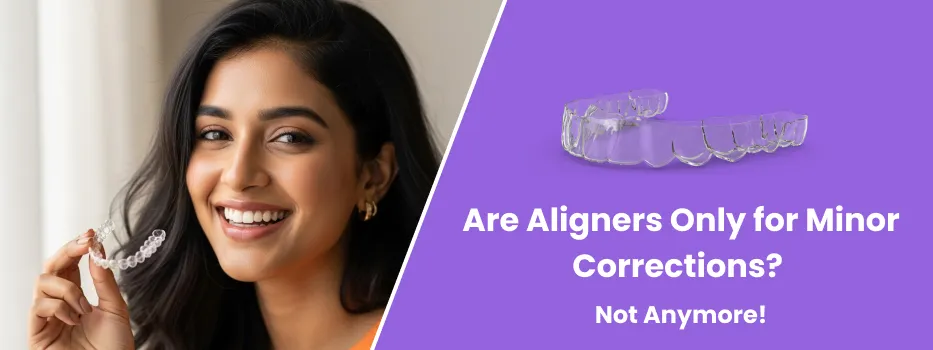
Are Aligners Only for Minor Corrections? Not Anymore
 Medically Reviewed by Whistle Dental Team
Wondering whether clear aligners can fix crowded teeth, gaps, overbites, underbites, or other alignment issues? The answer depends on your specific case. In this guide, we'll explore the dental problems aligners can treat, their limitations, and how modern orthodontic technology has expanded their capabilities beyond simple cosmetic corrections.
But you’ve never asked your orthodontist or just feel too lazy to book that dentist appointment. A clear, no-fluff answer to everything aligners can (and can’t) fix in 2026.
Clear Aligners in 2026: A Game-Changer in Orthodontics
A few years ago, aligners were seen as the simple solution for simple problems. Mild crowding? Slight gap? Great. But anything more? People believed braces were the only answer.
Not anymore.
In 2026, clear aligners (also called invisible braces or clear dental aligners) are a proven solution for a wide range of orthodontic cases. Thanks to advanced tech, 3D treatment planning, and integrated elastics, aligners now rival traditional braces in complexity handling
The Evolution: From Myths to Modern Capabilities
Explore the evolution of clear aligners from simple cosmetic solutions to advanced orthodontic treatments. Learn how modern aligners can correct complex dental issues with precision and comfort.
The Old Perception
Earlier aligner systems were best for:
- Spacing issues between hardly 2-3 teeth
- Slight crowding, i.e., a few teeth overlapping due to lack of space
Cosmetic adjustments
The materials were less durable, and the tech lacked precision for serious bite corrections.
The 2026 Reality
Today’s aligners come with:
- Customised Attachments: Small, tooth-colored bumps attached to specific teeth. These help apply targeted pressure to move teeth in complex ways—like rotation or extrusion.
- Precision Wings & Elastics: These features allow aligners to apply jaw-correcting forces. That means yes, aligners can help fix bite issues like overbites and underbites.
- AI-Powered Treatment Planning: Orthodontists use digital 3D models to map out every step, making outcomes more predictable.
The result? Clear aligners are no longer just for small fixes. They’re a serious orthodontic tool.
What Dental Problems Can Clear Aligners Fix?
Modern clear aligners can treat much more than just minor cosmetic concerns. With advanced digital treatment planning and orthodontist supervision, aligners can address a wide range of teeth alignment and bite issues.
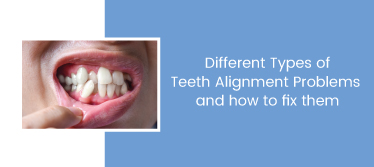
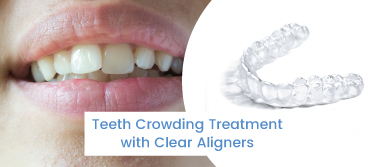
- Crowded Teeth: If your teeth are overlapping or bunched together, aligners can gradually create space and move them into proper alignment.
- Gapped Teeth: Aligners are highly effective at closing gaps between teeth by gently shifting them closer together over time.
- Overbite: In many cases, aligners can help correct an overbite by repositioning teeth and improving the way the upper and lower jaws come together.
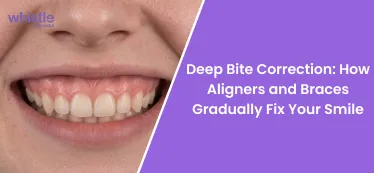
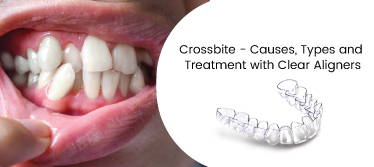
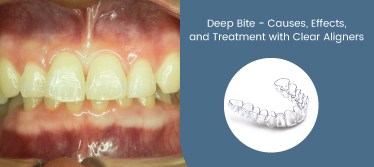
- Deep Bite, Crossbite, Open Bite, and Underbite: Depending on the severity of the case, aligners may also help improve bite issues. Advanced treatment planning, attachments, and other orthodontic techniques can be used to guide teeth into healthier positions.
While clear aligners can successfully treat many orthodontic concerns, some complex cases involving impacted teeth, severe jaw discrepancies, or surgical requirements may need alternative treatment approaches. A professional orthodontic evaluation is the best way to determine whether aligners are suitable for your specific needs.
Aligners vs. Braces: What Should You Choose?
| Feature | Clear Aligners | Traditional Braces |
| Visibility | Nearly invisible | Very visible |
| Comfort | Smooth & removable | Can irritate gums |
| Hygiene | Easy to clean | Difficult to clean |
| Food Restrictions | Minimal (just remove) | Many restrictions |
| Treatment Scope (2026) | Mild to complex cases | All cases |
| Discipline Required | High | Medium |
What Makes Whistle Aligners Better?
- Super Clear and Hardly Visible: 91% light transmission and stain-resistant material
- Strong Yet Comfortable: Engineered PU material offers gentle flexibility and durability
- Advanced 3-Layer Material: Ensures sustained and predictable movement
- Custom Fit with Smart Edge Design: Digitally trimmed to match your exact gumline
- Fully Automated Manufacturing: Enhances precision, consistency, and comfort
Developed by Orthodontists, Not Just Software
While AI helps us in our treatment planning, the decision is not entirely left to AI, unlike the DIY aligners available in the market these days. Our treatment plans are reviewed by real experts. This ensures clinically sound outcomes, not just simulations.
- Accurate Diagnosis
- Tailored Movement Plans
- Built to suit your lifestyle without breaking the bank
Whistle Aligners Price in India
| Care Plan | Best For | Visible Signs | Smile Impact |
| Less Care, Less Wear | Small fixes |
| Looks good, but could be cleaner and more polished |
| Moderate Care, Moderate Wear | Noticeable misalignment |
| Smile may look uneven or a little off balance |
| High Care, High Wear | Complex corrections |
| Smile feels hidden, can affect jaw or face shape |
Financing available. EMI plans offered.
Key Questions to Ask Your Orthodontist
Can aligners fix my (or my child’s) specific issue?
Will the treatment need attachments or elastics?
Can you show a 3D simulation of the expected results?
Is there a difference in cost or duration vs. braces?
How does Whistle track progress remotely?
Also Read:
Final Thoughts: Don’t Let Old Myths Stop a New Smile
If you’ve been holding off on orthodontic treatment because you assumed aligners can only fix small problems, it’s time to rethink.
From gaps to crowding, overbites to underbites, modern invisible aligners (like those from Whistle) can do much more than you think.
Still unsure? Let Whistle help. Book a free smile consultation today and see what aligners can do for your teeth.
Also Read:
- 7 Key Benefits of Choosing Clear Aligners
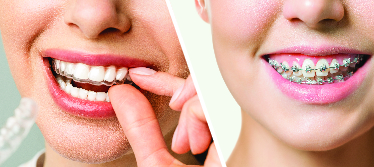
- Braces vs Clear Aligners
- The benefit of using teeth aligners over traditional braces
- Misaligned Teeth - Causes, Treatments, and Why Teeth Aligners Are Best
Book 3D Teeth Scan
Consult our experts and get a 3D preview of your smile transformation!
Are Aligners Only for Minor Corrections? Not Anymore.
FAQ's
Q1.Are there providers that include final aligner trays as part of their correction packages?
Yes, Whistle include refinement or final aligner trays as part of their treatment packages. These additional trays help fine-tune tooth movement if further corrections are needed after the initial treatment. Coverage varies by provider, so it's important to check what's included in your plan before starting treatment.
Q2.What’s the best way to choose an aligner plan that’s made to fix just one tooth that sticks out?
If only one tooth sticks out, choose an aligner plan after a professional assessment to confirm that no underlying bite or alignment issues are contributing to the problem. Look for a provider that offers personalized treatment planning, orthodontist supervision, and clear pricing. A customized plan ensures the aligners move the specific tooth effectively while maintaining overall dental alignment.
Q3.Who offers aligner plans that can be adjusted for vertical bite problems?
Several orthodontist-supervised aligner systems can be customized to treat vertical bite problems such as deep bites and open bites. These systems use digital treatment planning, attachments, and customized tooth movements to address certain vertical bite issues under professional supervision. However, the best option depends on the severity of your bite problem and an orthodontic evaluation.
Q4.Can I eat anything with aligners?
Yes, just remove them before eating and brush before putting them back in.

 Medically Reviewed by Whistle Dental Team
 Medically Reviewed by Whistle Dental Team





 Medically Reviewed by Whistle Dental Team